Repairs · Washago
Garage Door Manual Lock Repair in Washago
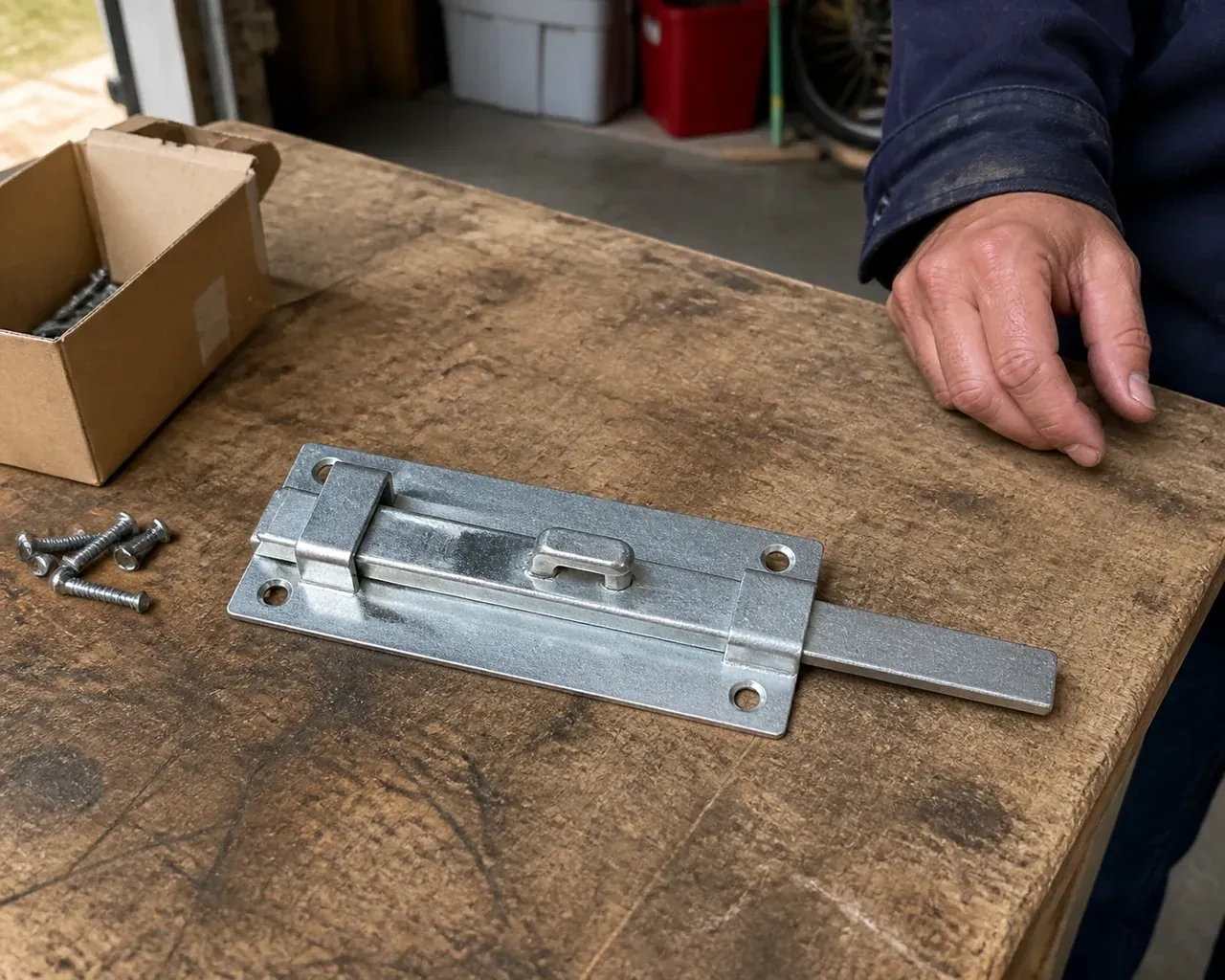
You pushed the slide bolt across like always, but tonight it stops short of the slot in the track and springs back. The door is down, the bottom seal is on the concrete, yet the bar and its hole are a finger's width apart.
Garage Door Manual Lock Repair
In plain words
A manual lock earns its keep on the nights the power goes out. With the opener dead, the door comes down by hand on the release cord, and the slide bolt or T-handle is what holds it shut until morning. Winter tests these locks: meltwater freezes in the outside cylinder, salt spray stiffens the bars in their guides, and packed snow under the door lifts it just enough that the bolt misses its slot. Lock repair puts the mechanism right, treats the cylinder and bars so they shed moisture, and leaves you with a simple routine for outage nights.
How the visit goesIt is a February morning and the key goes only halfway into the garage handle. Yesterday's melt ran down the door face and into the keyway, and overnight it set like glass. The key flexes; the cylinder stays put.
Washago
How the visit goes
Which lock the door actually has
Garage doors carry a few different locks and the first job is to name the one in front of the technician. An inside slide bolt is a short bar on the door's edge that shoots through a slot in the vertical track; some are snap latches that lock on their own when the door closes. An outside keyed T-handle or L-handle works a centre mechanism that throws a bar into each track, or on some models pulls a cable to release a spring latch at each side. Some doors have a keyed cylinder on the side that operates the slide bolt from outside. Each has its own parts and failure points, so naming it correctly sets up everything that follows.
Cylinder work and keys
A keyed garage handle uses a small pin-tumbler cylinder that can be rekeyed or replaced without changing the handle. To rekey, the cylinder is withdrawn, the plug slid out with a follower, the bottom pins swapped to a new combination and the plug returned, so the old key is retired and freshly cut keys operate it. Where the cylinder is worn or its tailpiece has broken, a new cylinder with the correct tailpiece is fitted. If your house locks share the same keyway, the garage cylinder can be pinned to match, so one key runs the property. Keys are cut from the new pinning, tested in the handle, and counted into your hand.
One rule at the wall button
Where an opener shares the door, opener makers direct that the manual lock be removed or positively disabled rather than left in service on habit alone. The technician demonstrates the opener's own lock-out feature at the wall control and shows everyone who uses the garage how to tell at a glance whether the bars are in or out. Spring-loaded snap latches are left with their holding catch explained, since they lock on their own when the door closes. Most families settle into the routine after a few days, and the label is there for visitors, house-sitters and the one morning when someone is half asleep.
Garage Door Manual Lock Repair
In the van
- Lock bar guides
- Track lock-slot punch
- Dry graphite or PTFE lubricant
- Inside slide bolt or snap latch
- Inside turn handle and spindle
What affects the quote
Same fees day, night or weekend
1Cylinder work and the number of keys
Rekeying, a new cylinder and each key cut are separate items. Keying the garage to match the house key adds a little pinning time and is listed on its own.
2Related hardware noticed on the way
Worn rollers, a loose track bracket or a tired bottom seal seen while the door is being aligned are pointed out and offered as optional items, since they are easy to do in the same visit.
3Damage from an opener run against the lock
A section creased above the lock, a torn lock body, a bent bar or a strained opener arm each add repair or parts beyond the lock itself, and are named separately once seen.
Garage Door Manual Lock Repair: questions
Can I keep using the opener while the lock is jammed?
Only if you are certain the bars are fully clear of the track. If the lock is stuck in the locked position, or you are not sure, leave the opener alone and use another door until the technician arrives. A motor pulling against an engaged bar bends the bar and strains the door section and the opener, and the repair grows accordingly.
What lubricant belongs on a garage door lock?
Dry graphite or a PTFE lock lubricant for the key cylinder, because oil traps grit and moisture in the pins. A light silicone film for the bars and their guides, wiped rather than dripping, so salt spray and slush have less to cling to. Grease is avoided everywhere on the lock, as it thickens in the cold and collects dirt that gums the action.
Do I need a manual lock at all if I have an opener?
Many households do without one. With the trolley engaged, an opener holds the door shut, and most wall consoles include a lock-out button that disables every remote while you are away. A manual lock earns its place for power outages, for a detached garage without an opener, and for anyone who likes a physical bar in the track. The technician can set the door up either way.
Repair & Maintenance
- Garage Door Tune-UpSince the first cold snap the door has been sluggish.
- Off-Track Garage Door ResetThe door came down fine but with a scraping noise, and now the vertical track on one side is bowed…
- Garage Door Panel ReplacementYou misjudged the last metre of the driveway and felt the bumper meet the door.
Garage Door Manual Lock Repair near you
If your door in Washago is doing something new, there is a service here for it. Grinding usually points to rollers or hinges. A door that will not lift points to a spring or cable. A door that reverses on its own points to sensors or force settings. We diagnose first, then repair.